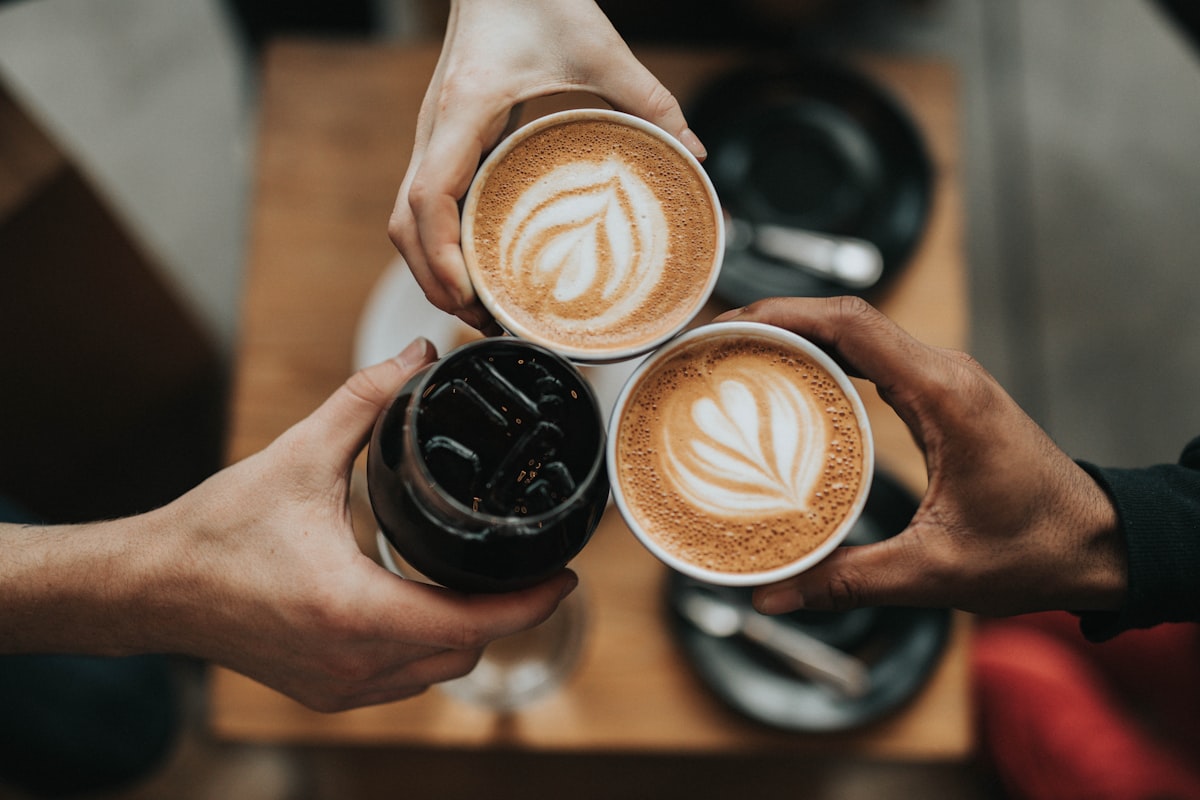
The coffee shop on the corner of Mercer and Bleecker had been Mira's place for eleven years. Same wobbly table by the window. Same cracked leather chair she'd claimed the first week she moved to the city, back when she still believed she was going to be a painter.
She wasn't a painter anymore. She hadn't been one in a long time. But the chair remembered her, or at least it had worn itself into the shape of her, and that was almost the same thing.
That Tuesday, a man sat down across from her. Not across the table — across the room, at the piano in the corner that nobody ever played. He was older, silver at the temples, hands that looked like they had spent decades doing something careful and precise. He opened the lid, pressed a single key, and nodded to himself like he'd confirmed a suspicion.

Mira looked up from her laptop. He looked over and smiled — not the polite New York smile, the one that means leave me alone, but the real kind.
"It's been out of tune for three years," he said. "I told them in 2021."
"You're a piano tuner?"
"I'm a lot of things. Mostly retired. Mostly bored." He played a small scale, listened, winced. "I used to tune this piano every spring. Before they stopped asking."
Mira closed her laptop. She didn't know why. "Play something," she said.
"Oh, I don't play. I just listen. I'm very good at listening."
"That's a strange thing to be good at."
He tilted his head. "Is it? Most people are terrible at it. They listen to respond. I listen to hear." He ran his thumb along the keys, not pressing any. "Your chair, for example. The left arm is higher than the right. You sit leaning slightly to compensate. You've been coming here a long time."
She laughed, surprised. "Eleven years. Give or take."
"That long, and you've never played the piano?"
"I don't play. I just sit. I just listen."
He smiled like she had passed some quiet test. "What's your name?"
"Mira."
"Mira. I'm Arthur." He stood, walked over, and held out his hand. It was warm, papery, steady. "If you ever want to hear what a piano sounds like when it's actually in tune, come back on a Thursday. That's when I come in now."
"What changed?"
"I changed. I stopped waiting to be asked."
"Most people listen to respond. I listen to hear." — Arthur, the first Thursday
That was the first conversation. There were many after. Thursdays. Always Thursdays. He'd tune the piano, she'd sit in her chair, and between them they'd build a strange and lovely friendship made mostly of small observations. He noticed that she ordered the same oat milk cortado, no sugar, and that she always took her coat off before her bag, and that she laughed before she found things funny, like her body knew before her mind.
She noticed that he talked to the piano the way other people talk to dogs. That he always wore the same green corduroy jacket. That he had a daughter somewhere in Brooklyn he mentioned only in spring.
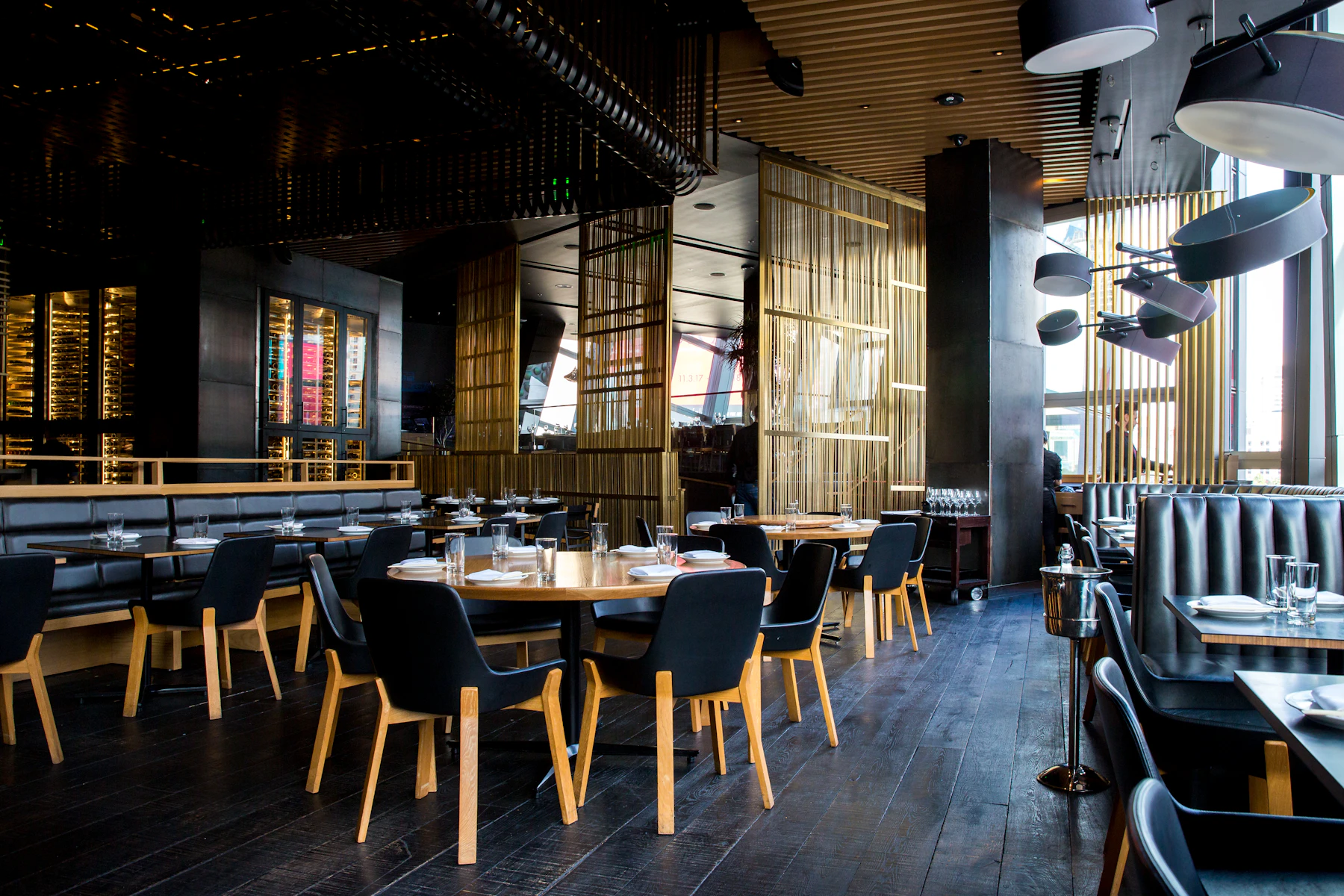
One Thursday in October, he didn't come. She waited an hour. She asked the barista. Nobody knew an Arthur.
She came back the next Thursday. And the next. On the third, there was a note tucked under the sugar bowl, in handwriting she somehow already recognized.
Mira — My hands are tired, but my listening is fine. The piano is yours now. Learn something, and play it badly on purpose.
— A.
She sat down at the piano for the first time in her life. It sounded, impossibly, perfect.

But the room was warm, and the light through the window was the kind of gold you only get in late autumn, and somewhere across the city a man she had known for less than a year had left her the most generous gift she'd ever received — the permission to begin again, badly, on purpose.
She closed her eyes and listened.
It was, she decided, the most beautiful thing she'd ever heard.
Fin.
For the Thursdays, the small observations, and the people who leave us pianos.